Field readiness for USA inspectors.

Read it

Become a certified
Insurance Inspector

Self-paced online training for insurance inspectors. Choose Commercial P&C, Personal Lines, or Workers Compensation. Recruiting-network visibility after you finish a course.

  • 30-day guarantee
  • Self-paced
  • Lifetime access

Three survey courses

Commercial P&C is four chapters. Personal Lines is six. Workers Compensation is five. Each uses video, reading, and quizzes.

Recruiting visibility

Graduates can join the Underwriter Services Association talent pool.

Learn on your schedule

Self-paced online courses. Lifetime access to the course you enroll in.

Inspection courses

Self-paced online training for insurance inspectors. Choose Commercial P&C, Personal Lines, or Workers Compensation.

Commercial property survey training

Flagship course

Commercial P&C Survey

Inspect commercial properties and document risk for underwriting.

Chapters
4
Videos
30+
Quizzes
After each video
Residential personal lines survey training

Homeowners and dwellings

Personal Lines Survey

Inspect homes and document homeowners and dwelling risk.

Chapters
6
Lessons
32
Quiz questions
160
Videos
14
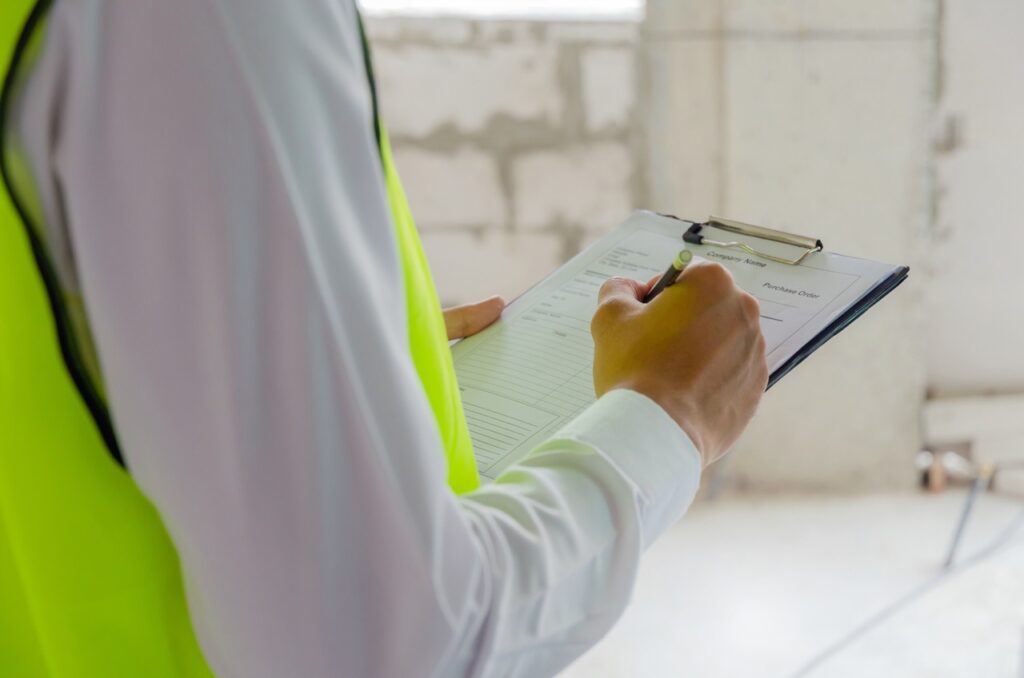
Inspector on a workplace survey walk

Workplace injury surveys

Workers' Compensation Survey

Inspect workplaces and document employee injury exposures.

Chapters
5
Lessons
39
Quiz questions
195
Videos
22

Flagship course

Inside Commercial P&C Survey

Four chapters and 30+ videos. A quiz follows each video, with unlimited retakes. Finish to earn a verifiable certificate.

Chapter 1

Loss Control Essentials

The inspector role, foundation concepts, and how a survey supports underwriting.

Chapter 2

Personal Lines topics

Residential inspection topics taught inside the commercial course.

Chapter 3

Building Construction

Construction class, assemblies, and what you can prove from the walk.

Chapter 4

Commercial Risk Control

Commercial occupancies, hazards, and how to document findings for the file.

Chapter 2 covers personal lines topics inside this commercial course. The standalone Personal Lines Survey is a separate residential course.

Watch a free preview lesson

Jobs

Recruiting partnership

Finish a course, then get seen by inspection recruiters through Underwriter Services Association.

  1. 1

    Finish a course

    Pass the quizzes and earn your certificate.

  2. 2

    Join the talent pool

    Graduates can review opportunities in the Underwriter Services Association recruiting network.

  3. 3

    Share your certificate

    Recruiters can verify your certificate online.

Underwriter Services Association

Underwriter Services Association runs an insurance inspection recruiting network. LCA graduates get:

  • Access to the recruiting network
  • Review for relevant opportunities
  • A verifiable LCA certificate

This partnership is not a guarantee of employment. Outcomes depend on local demand, qualifications, interviews, and your career goals.

Loss Control Handbook by Underwriter Services Association

Included with Commercial

Loss Control Handbook

A 680-page reference on loss control and commercial inspection from Underwriter Services Association. Download the PDF after you enroll in Commercial P&C Survey.

  • Loss control principles and methods
  • Risk assessment frameworks
  • Industry standards and terms

What students say

"The Loss Control course is a great way for someone starting out in the field inspection business to gain some basic knowledge. This is an exciting field and growing everyday. I highly recommend the course, pay close attention to the videos, they give you a lot of answers needed for the quiz."
Stacey MorrisOwner of Rightway Inspections, LLC
"I appreciate being able to learn at my own pace. The lessons are clear, well-organized, and easy to follow. Highly recommended. Thank you!"
Adam LiskIndependent Commercial Inspector
"Loss Control Academy has been a valuable resource for enhancing my skills, knowledge, and professionalism. The courses offer valuable training experience with insightful information and a solid framework for delivering detailed reports. It's a great way to stay up-to-date with industry best practices and continuously improve my skill set."
Chris WilliamsIndependent Commercial Inspector
"I liked that it was easy to navigate, understand and the content was very informative. I highly recommend it to anyone looking to expand their knowledge base and further their inspection career."
Michael MoralesIndependent Commercial Inspector
"I have been a certified home and commercial inspector for over eight years. When I first enrolled in the Academy, I expected it to be a simple review of material I was already familiar with. However, I quickly discovered there is an entirely different, and fascinating, side to commercial inspections. The knowledge I gained has proven to be extremely valuable, enhancing not only my commercial inspection skills but also improving my effectiveness as an inspector overall."
Rhett BradleyCertified Home & Commercial Inspector
"Loss Control Academy knows how to develop a successful and convenient online learning course! It's thorough, informative and entertaining with videos and handouts. I highly recommend it for anyone interested in, or starting out like myself, in loss control."
Jeff Edgens, Ph.D.Retired Academic Dean
Michael J TomlinsonExecutive VP, Twenty-First Services, LLC
"We were approached by Loss Control Academy in the early stages of their build out and had the ability to truly partner with them to service our onboarding and introductory training needs. The platform has provided us with a stellar and consistent outcome across our territory, accelerating us into a base consistency we had been working towards."
Erich Beswick, Loss Control Academy co-founder

About the author

Erich Beswick

Co-Founder, Loss Control Academy

Erich started as a field inspector. He founded and grew Alpha Loss Control Services, then sold the company and turned to training inspectors.

He writes every video, quiz, and reference guide in the courses from that field experience.

"My goal is to share the practical lessons and systems that helped me build an inspection business."

Knowledge Center

Free articles, guides, and interviews for working and future inspectors.

Visit Knowledge Center

New to loss control? Read the free 42-page career guide from Underwriter Services Association.

Get the free guide

Latest from LCA

Recent articles

Frequently asked questions

What is an insurance inspector and what do they do?

Insurance inspectors visit properties for insurance companies and report on risk. They document hazards, construction, and safety conditions at homes, businesses, and workplaces so underwriters can make coverage decisions.

How long does the training program take to complete?

The courses are self-paced. Commercial P&C Survey is four chapters. Personal Lines Survey is six chapters. Workers Compensation Survey is five chapters. Completion time depends on your schedule. You keep lifetime access to the course you enroll in.

Do I need prior experience in insurance or construction?

No. Each course starts with the basics and builds from there.

What kind of income can I expect as an insurance inspector?

Income varies by location, experience, assignment type, work volume, and contractor expenses. The course does not guarantee earnings. Check current opportunities and pay in your market before making career decisions.

How does the recruiting partnership work?

After you finish a course, qualified graduates can be added to a talent pool that recruiting firms review. This increases visibility. It does not guarantee employment. Outcomes depend on market conditions, qualifications, and individual performance.

Is there a satisfaction guarantee?

Yes. Each course has a 30-day satisfaction guarantee. If you are not satisfied within the first 30 days, we will provide a full refund.

What does a typical day look like for an insurance inspector?

A typical day involves visiting 3-8 properties, taking photos, writing reports, and uploading documentation. Many inspectors set their own routes and work independently in the field.

Do I need special equipment or tools to get started?

Plan on a camera or smartphone, measuring tape, flashlight, and a tablet or phone for reports, plus reliable transportation between sites. Many companies provide their own reporting apps, and some reimburse equipment.

Can I work as an insurance inspector part-time or while keeping my current job?

Yes. Many inspectors start part-time and accept assignments that fit their availability, including evenings, weekends, or set days each week.

What's the difference between residential and commercial insurance inspection?

Residential inspections cover homes and usually take 30-60 minutes. Commercial inspections cover businesses, warehouses, and larger properties. They need more specialized knowledge, often take 1-3 hours, and generally pay more per assignment.

How much does it cost to become an insurance inspector?

Commercial P&C Survey is $297. Personal Lines Survey is $197. Workers Compensation Survey is $197. Each course includes lifetime access to its materials, a completion certificate, and access to the recruiting partnership pathway. Employment and earnings are not guaranteed.

What states or areas have the most opportunities for insurance inspectors?

Opportunity volume varies by geography, season, insurer demand, and assignment type. Review current listings in the Underwriter Services Association network and other local sources to understand demand in your area.

How quickly can I start earning money after completing the course?

There is no guaranteed timeline to paid work. Qualified graduates can access the recruiting pathway, but timing depends on local demand, availability, qualifications, and each inspection company's application process.

Do I need to be physically fit for this job?

You will walk properties, climb stairs, and sometimes enter attics or basements. Basic mobility helps. Extreme fitness is not required, and many inspectors keep working into their 60s and 70s.

What happens if I don't pass the certification on my first try?

You can retake every assessment. Lifetime access stays with the course you bought, so you can review and retake any section. Support can help you identify areas to restudy.

How does insurance inspection work compare to home inspection?

Insurance inspection assesses risk for an insurance company. Home inspection evaluates condition for a buyer. Insurance inspections are usually faster (30-60 minutes), need less equipment, and cost less to start than a home inspection business.
Start your inspector training

Self-paced courses with quizzes and a verifiable certificate.

30-day satisfaction guarantee. Self-paced. Lifetime access.